



How a Modern Heating System Can Lower Your Winter Bills

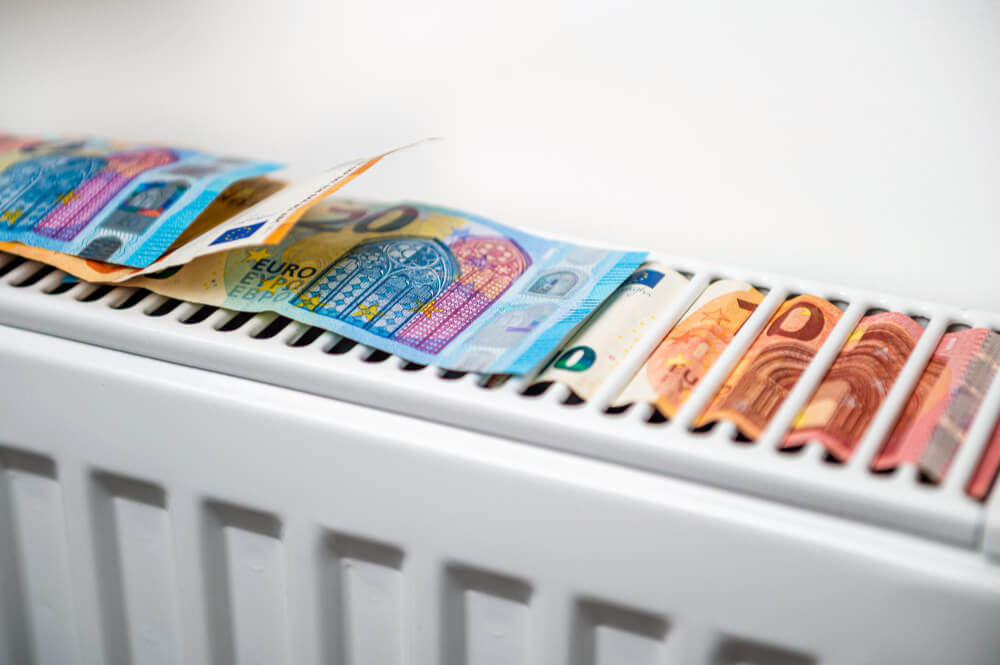
When winter arrives, most households experience a noticeable increase in their energy bills. Heating your home during the colder months can be expensive, especially if you’re relying on an older, inefficient system. But there’s good news: upgrading to a modern heating system can significantly reduce your winter utility bills while enhancing comfort and indoor air quality.
If you’ve been hesitating to replace your aging furnace or heat pump, this article will help you understand the real savings potential of modern heating technology and why now may be the best time to make the switch.
Why Older Heating Systems Cost More to Run
The average heating system lasts 15–20 years with proper maintenance. But as it ages, efficiency drops. Older systems:
Require more energy to produce the same amount of heat
Are more prone to breakdowns
Use outdated technology and components
Often lack zoning or programmable thermostat capabilities
Even with regular maintenance, these units often run far below the efficiency levels of today’s high-performance systems, leading to higher energy consumption and escalating repair costs.
1. Higher Energy Efficiency = Lower Bills
Modern heating systems are designed with energy efficiency in mind. Furnaces, for example, are rated by their AFUE (Annual Fuel Utilization Efficiency) percentage. The higher the number, the more efficiently the system converts fuel into heat.
Older furnaces may have AFUE ratings of 60%–70%
New ENERGY STAR®-certified furnaces can have AFUE ratings of 90%–98%
That means a modern unit wastes significantly less fuel. If you’re currently paying $200/month in heating costs, upgrading to a 95% efficient furnace could reduce that to around $140/month or less, depending on your home’s insulation and usage.
Pro Tip:
Look for high-efficiency furnaces with variable-speed motors and two-stage burners, which offer better performance and efficiency in varying conditions.
2. Smart Thermostats and Zoning Capabilities
New heating systems are often compatible with smart thermostats and zoning controls that allow you to heat only the rooms you’re using. Traditional systems heat the whole house the same way, even if some rooms are rarely used.
With zoning, you can:
Reduce heating in guest rooms or storage areas
Customize temperatures for different family members
Save energy by not overheating the entire home
Smart thermostats also “learn” your behavior and adjust automatically, which leads to optimized energy usage and lower bills.
3. Improved Airflow and Heat Distribution
Older systems often suffer from poor airflow, blocked vents, or inconsistent temperature delivery. This can cause hot and cold spots, leading you to crank the thermostat higher than necessary.
Modern systems:
Use variable-speed blowers that adjust based on demand
Maintain more consistent temperatures
Provide better airflow and humidity control
Run quieter and more smoothly
The result is more even heat throughout your home and less need to adjust the thermostat, reducing energy waste.
4. Lower Maintenance and Repair Costs
Older heating systems tend to break down more often, especially during peak usage in the middle of winter. Not only is this inconvenient, but emergency repairs or part replacements can cost hundreds—or even thousands—of dollars.
Modern systems are built with durable, long-lasting components that require less frequent repairs. Many come with warranties of 10 years or more, providing peace of mind and additional cost savings.
5. Cleaner Combustion and Eco-Friendly Options
Modern gas furnaces and heat pumps are more environmentally friendly than their predecessors. They burn cleaner, emit fewer pollutants, and operate more safely.
You may also consider switching to electric heat pumps, which are highly efficient and don’t rely on fossil fuels. New models like cold-climate heat pumps are designed to work even in below-freezing temperatures and can significantly reduce your carbon footprint.
Bonus: You may qualify for energy efficiency rebates or tax credits when upgrading to a high-efficiency system, further offsetting installation costs.
6. Energy Rebates and Long-Term ROI
Utility companies and federal programs often offer rebates or incentives for homeowners who invest in energy-efficient systems. These can range from a few hundred to several thousand dollars depending on the system and your location.
Combine that with your monthly energy savings, and many homeowners see a return on investment within just 5–7 years—all while enjoying a warmer, more comfortable home.
How Much Can You Really Save?
While exact savings vary by home, climate, and usage habits, upgrading to a high-efficiency system can save you 20%–40% on your winter heating bills.
Let’s say your current average winter heating bill is $250/month. Over a 4-month heating season:
$250 x 4 months = $1,000/year
30% savings = $300/year saved
Over 10 years, that’s $3,000 saved, not including repair avoidance, rebates, or added comfort.
Is It Time to Upgrade? Ask Yourself:
Is your system over 12–15 years old?
Do you experience frequent breakdowns or uneven heating?
Have your energy bills increased steadily despite maintenance?
Are you interested in smart home features or cleaner energy?
If you answered yes to any of these, it’s time to consider a modern upgrade.
Why Choose South Nashville Heating & Cooling?
At South Nashville Heating & Cooling, we specialize in helping homeowners like you lower energy costs and stay comfortable year-round. Our certified technicians will assess your current system, provide honest recommendations, and install the perfect high-efficiency heating solution for your home and budget.
We offer:
Free system assessments and consultations
Energy-efficient furnace and heat pump installations
Smart thermostat setup and training
Maintenance plans to keep your system running smoothly
Financing options and help with rebates or tax credits
Lower Your Winter Bills with a Smart Heating Upgrade
Don’t let another winter go by paying too much to heat your home. A modern heating system can deliver long-term savings, reliable performance, and the comfort your family deserves.
👉 Fill out the form below to schedule a free consultation with South Nashville Heating & Cooling and learn how much you could save with an energy-efficient upgrade today.