



Common No-Heat Causes and Fixes a Tech Checks

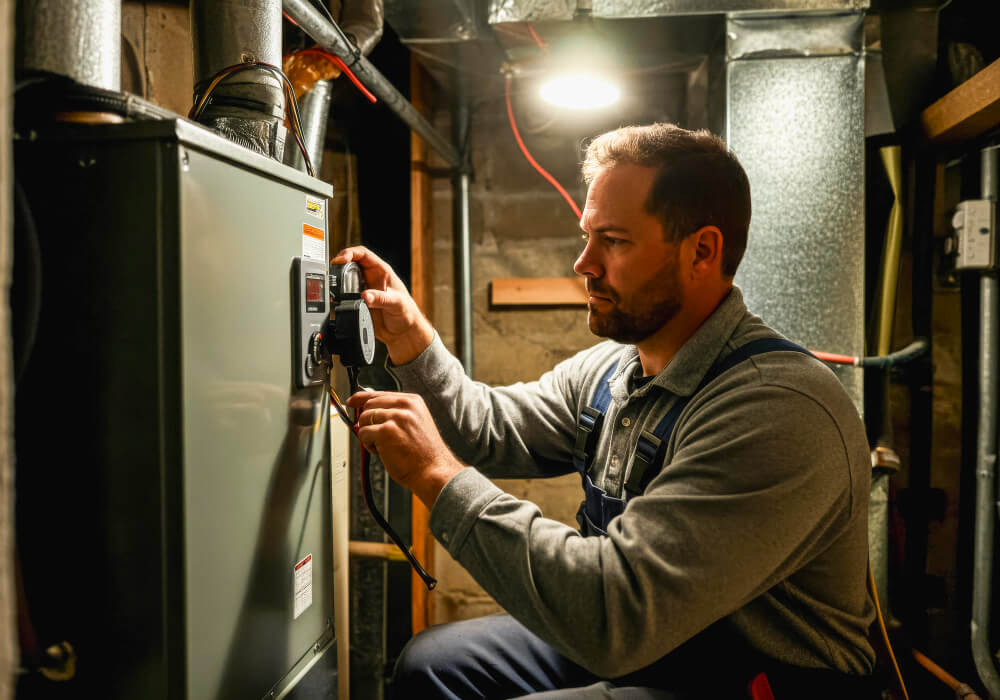
When your furnace stops producing heat—especially during a cold Nashville morning—it’s more than just uncomfortable. It’s urgent.
The frustrating part? A “no heat” furnace issue can come from several different causes. Some are simple fixes, while others require professional repair. Knowing what’s behind the problem can save you time, money, and stress.
In this guide, we’ll walk through the most common reasons your furnace isn’t heating, what a technician actually checks during a service call, and what you should do next.
First: What “No Heat” Really Means
Before diving into causes, it helps to identify the exact problem:
- Furnace won’t turn on at all
- Furnace runs but blows cold air
- Furnace starts, then shuts off quickly
- Thermostat calls for heat, but nothing happens
Each of these symptoms points to a different issue.
Top Causes of Furnace No-Heat Issues in Nashville
1. Thermostat Problems (More Common Than You Think)
Sometimes the furnace isn’t the problem—the thermostat is.
What goes wrong:
- Incorrect settings (set to “cool” or fan only)
- Dead batteries
- Faulty wiring
- Poor calibration
What a technician checks:
- Thermostat mode and temperature settings
- Voltage signals to the furnace
- Wiring connections
Quick fix:
- Replace batteries
- Set thermostat to “HEAT” and raise temperature
2. Dirty or Clogged Air Filter
A dirty filter restricts airflow and can cause the furnace to overheat and shut down as a safety precaution.
Signs:
- Weak airflow
- Furnace turns on briefly, then shuts off
- Rooms not heating evenly
What a tech checks:
- Filter condition
- Airflow levels
Fix:
- Replace the filter immediately
👉 This is one of the easiest and most common fixes.
3. Ignition or Pilot Light Failure
Gas furnaces rely on ignition systems to start heating.
Issues include:
- Pilot light out
- Dirty or faulty igniter
- Gas supply problems
What a technician checks:
- Pilot flame condition
- Igniter functionality
- Gas valve operation
Important:
If you smell gas, leave your home and call for professional help immediately.
4. Flame Sensor Problems
The flame sensor ensures gas is only flowing when a flame is present. If it’s dirty or malfunctioning, it will shut down the system.
Symptoms:
- Furnace starts, then shuts off quickly
- Short cycling
- No sustained heat
What a tech does:
- Cleans or replaces the flame sensor
This is a quick fix—but often missed without proper maintenance.
5. Tripped Safety Switches
Modern furnaces include safety switches that shut down the system if something goes wrong.
Common triggers:
- Overheating
- Blocked airflow
- Venting issues
What a technician checks:
- Limit switch
- Rollout switch
- System airflow
Resetting the switch without fixing the root problem will only cause repeat shutdowns.
6. Blower Motor Failure
The blower motor moves heated air through your home. If it fails:
- You may get heat inside the furnace—but none reaches your vents
Signs:
- Furnace is running, but no airflow
- Unusual noises
- Weak or inconsistent airflow
Tech inspection:
- Motor operation
- Capacitor condition
- Electrical connections
7. Gas Supply Issues
No gas = no heat.
Causes:
- Closed gas valve
- Supply interruption
- Faulty gas control valve
What a technician checks:
- Gas line pressure
- Valve operation
- Safety controls
8. Blocked or Dirty Burners
Burners must be clean to produce proper heat.
Problems:
- Dirt or debris buildup
- Incomplete combustion
- Weak or uneven flame
What a tech does:
- Cleans burners
- Checks flame quality
Dirty burners reduce efficiency and can lead to shutdowns.
9. Ductwork or Airflow Problems
Even if your furnace is working perfectly, poor ductwork can make it seem like it’s not.
Issues:
- Leaky ducts
- Blocked vents
- Poor airflow distribution
What a technician checks:
- Duct integrity
- Airflow balance
- Vent blockages
What a Furnace Repair Technician Checks (Step-by-Step)
When you call South Nashville Heating & Cooling, here’s what a professional diagnostic includes:
✔ Thermostat testing
✔ Air filter inspection
✔ Ignition system check
✔ Flame sensor cleaning/testing
✔ Gas pressure verification
✔ Electrical system inspection
✔ Blower motor performance
✔ Safety switch testing
✔ Heat exchanger inspection
✔ Carbon monoxide safety check
This ensures both performance and safety—especially important with gas furnaces.
When to Call for Furnace Repair Immediately
Don’t wait if you notice:
- No heat at all
- Burning or gas smells
- Loud or unusual noises
- Frequent cycling
- Carbon monoxide detector alerts
These issues can quickly escalate and should be handled by a professional.
How to Prevent No-Heat Problems
Most furnace issues are preventable with routine maintenance.
Preventive steps:
✔ Replace air filters regularly
✔ Schedule annual furnace tune-ups
✔ Keep vents and returns clear
✔ Test thermostat before winter
✔ Check carbon monoxide detectors
Maintenance is far cheaper than emergency repairs.
Furnace Repair in South Nashville You Can Trust
At South Nashville Heating & Cooling, we focus on fixing the real problem—not just the symptom.
We provide:
- Fast and reliable furnace repair
- Honest diagnostics (no unnecessary upsells)
- Residential and light commercial service
- System replacement when needed
- Preventive maintenance plans
Whether your system needs a quick fix or a deeper repair, our technicians will get your heat back on quickly and safely.
Don’t Stay Cold — Get Your Heat Back Today
If your furnace isn’t heating properly, don’t wait for the problem to get worse.
👉 Fill out the form below or call South Nashville Heating & Cooling today to schedule your furnace repair.
We’ll diagnose the issue, fix it right the first time, and keep your home warm all winter long.
South Nashville HVAC —
“We Keep Your Comfort In Tune!”