



Duct Repair vs. Duct Replacement in Nashville: How to Decide

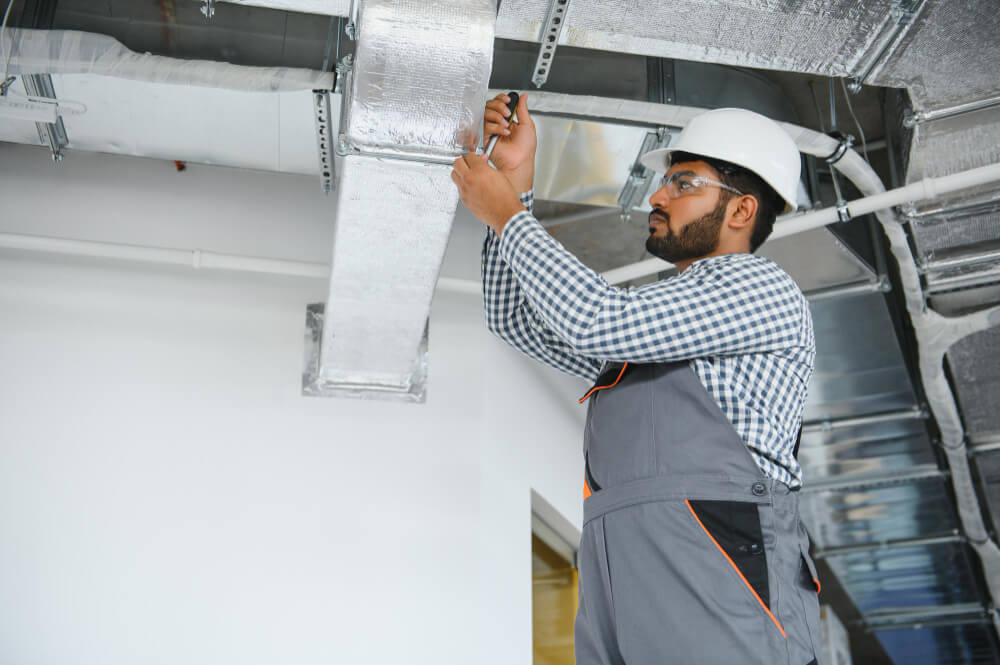
Your home’s ductwork is one of the most important parts of your HVAC system, yet it’s often overlooked until something goes wrong. If you’re dealing with uneven temperatures, weak airflow, rising energy bills, or excessive dust, your ductwork may be the hidden cause.
When problems are discovered, homeowners often ask the same question:
Should I repair my ductwork or replace it entirely?
The answer depends on several factors, including the age of your ducts, the extent of the damage, and your long-term goals for comfort and energy efficiency.
In this guide, we’ll explain the differences between duct repair and duct replacement, the warning signs to watch for, and how to determine which option is best for your Nashville home.
Why Your Ductwork Is So Important
Your furnace or air conditioner creates heated or cooled air, but your ductwork is responsible for delivering that air throughout your home.
If your ducts are leaking, damaged, or poorly designed, your HVAC system has to work much harder to maintain the temperature you’ve set.
Problems with your ductwork can lead to:
- Higher energy bills
- Uneven temperatures
- Poor indoor air quality
- Increased wear on your HVAC equipment
- Reduced comfort throughout your home
Even a brand-new HVAC system won’t perform efficiently if the ductwork isn’t in good condition.
When Duct Repair Is the Better Choice
In many cases, damaged ductwork doesn’t need to be replaced completely.
Repairs can restore efficiency and improve airflow when the overall duct system is still in good condition.
1. Small Air Leaks
Over time, joints and connections can loosen.
Small leaks are often repaired by:
- Resealing duct joints
- Replacing damaged insulation
- Reinforcing loose connections
Professional sealing prevents conditioned air from escaping into attics, crawl spaces, or wall cavities.
2. Minor Physical Damage
Flexible ducts can occasionally become:
- Crushed
- Bent
- Disconnected
If the damage is isolated, replacing a single section is often all that’s needed.
3. Loose or Damaged Registers
Sometimes poor airflow isn’t caused by the duct itself.
A technician may find:
- Loose vent boots
- Damaged registers
- Poorly sealed ceiling or floor vents
These repairs are typically straightforward and cost-effective.
4. Recently Installed Duct Systems
If your ductwork is relatively new and was installed correctly, isolated repairs usually make the most financial sense.
There’s little reason to replace an entire system because of one damaged section.
When Duct Replacement Makes More Sense
Sometimes repairs simply aren’t enough.
If your ductwork has widespread problems, replacement may actually save money over time.
1. Older Ductwork
Most duct systems last between 20 and 25 years, depending on:
- Materials
- Installation quality
- Maintenance
- Environmental conditions
Older ducts often develop multiple leaks and deteriorating insulation.
Repairing one section today may simply lead to another repair next year.
2. Extensive Air Leaks
If large portions of your duct system are leaking, sealing individual sections may not solve the overall problem.
Extensive leakage causes:
- Significant energy loss
- Poor airflow
- Inconsistent temperatures
Replacing the system often provides a better long-term solution.
3. Poor Original Design
Some homes have duct systems that were never designed correctly.
Common issues include:
- Undersized ducts
- Oversized ducts
- Poor return air placement
- Long duct runs
- Excessive bends
Even after repairs, these design problems continue affecting comfort.
A properly designed replacement system can dramatically improve airflow and efficiency.
4. Major Renovations or Home Additions
If you’ve:
- Added square footage
- Finished a basement
- Converted an attic
- Opened floor plans
Your original ductwork may no longer match your home’s heating and cooling requirements.
Replacement allows the system to be redesigned for your current layout.
5. Severe Mold or Contamination
If ductwork has extensive mold growth or water damage, replacement is often safer than attempting repeated cleaning.
A professional inspection can determine whether replacement is necessary.
Signs Your Ductwork Needs Attention
Whether repair or replacement is needed, watch for these warning signs:
- Hot or cold spots
- Weak airflow
- Rising utility bills
- Dusty rooms
- Musty odors
- HVAC system running longer than usual
- Noisy ducts
- Allergy symptoms worsening indoors
If you’re experiencing several of these issues, it’s time for a professional evaluation.
Repair vs. Replacement: A Side-by-Side Comparison
Duct Repair
Best for:
- Small leaks
- Isolated damage
- Loose connections
- Relatively new ductwork
Benefits:
- Lower upfront cost
- Faster completion
- Restores efficiency
- Extends duct life
Duct Replacement
Best for:
- Older duct systems
- Poor original design
- Extensive leakage
- Major renovations
- Significant deterioration
Benefits:
- Maximum energy efficiency
- Improved airflow
- Better indoor comfort
- Longer-lasting solution
- Better indoor air quality
How Duct Problems Affect Your HVAC System
Damaged ductwork doesn’t just waste energy.
It also forces your furnace or air conditioner to work much harder.
That can lead to:
- More frequent repairs
- Shorter equipment lifespan
- Higher operating costs
- Reduced comfort
Fixing ductwork often improves HVAC performance without replacing the heating or cooling equipment itself.
Can Duct Sealing Solve the Problem?
In many Nashville homes, professional duct sealing provides excellent results.
Sealing helps:
- Stop conditioned air leaks
- Improve airflow
- Reduce dust infiltration
- Lower utility bills
- Increase overall comfort
However, sealing cannot correct poor duct design or severely deteriorated ductwork.
A professional inspection is the best way to determine the right solution.
The Value of a Professional Duct Inspection
Because most ductwork is hidden behind walls, under floors, or in attics, problems aren’t always obvious.
An experienced HVAC technician can inspect your system for:
- Air leakage
- Airflow restrictions
- Duct sizing issues
- Insulation problems
- Moisture damage
- Mold concerns
- Energy loss
With this information, you’ll receive honest recommendations based on the condition of your ductwork—not guesswork.
Why Nashville Homeowners Trust South Nashville Heating & Cooling
At South Nashville Heating & Cooling, we understand that every home’s duct system is different.
That’s why we begin with a thorough inspection before recommending repairs or replacement.
Our services include:
- Professional duct inspections
- Duct sealing
- Duct repairs
- Complete duct replacement
- Airflow balancing
- Indoor air quality improvements
- HVAC maintenance and installation
Our goal is to improve your comfort while helping your HVAC system operate as efficiently as possible.
Let Us Help You Make the Right Choice
Choosing between duct repair and duct replacement doesn’t have to be difficult. With a professional evaluation, you can understand exactly what’s causing your comfort issues and select the solution that offers the best long-term value.
If you’ve noticed uneven temperatures, high energy bills, weak airflow, or excessive dust, don’t ignore the signs.
👉 Fill out the form below to schedule a ductwork inspection with South Nashville Heating & Cooling. We’ll assess your system, explain your options, and recommend the solution that’s right for your Nashville home.
South Nashville HVAC — “We Keep Your Comfort In Tune!”Contact Us